
How to Choose an E-Bike Battery Charger: Voltage, Current and Connectors
Written by engineers at the Daxpoo factory, Shenzhen · · 4 min read
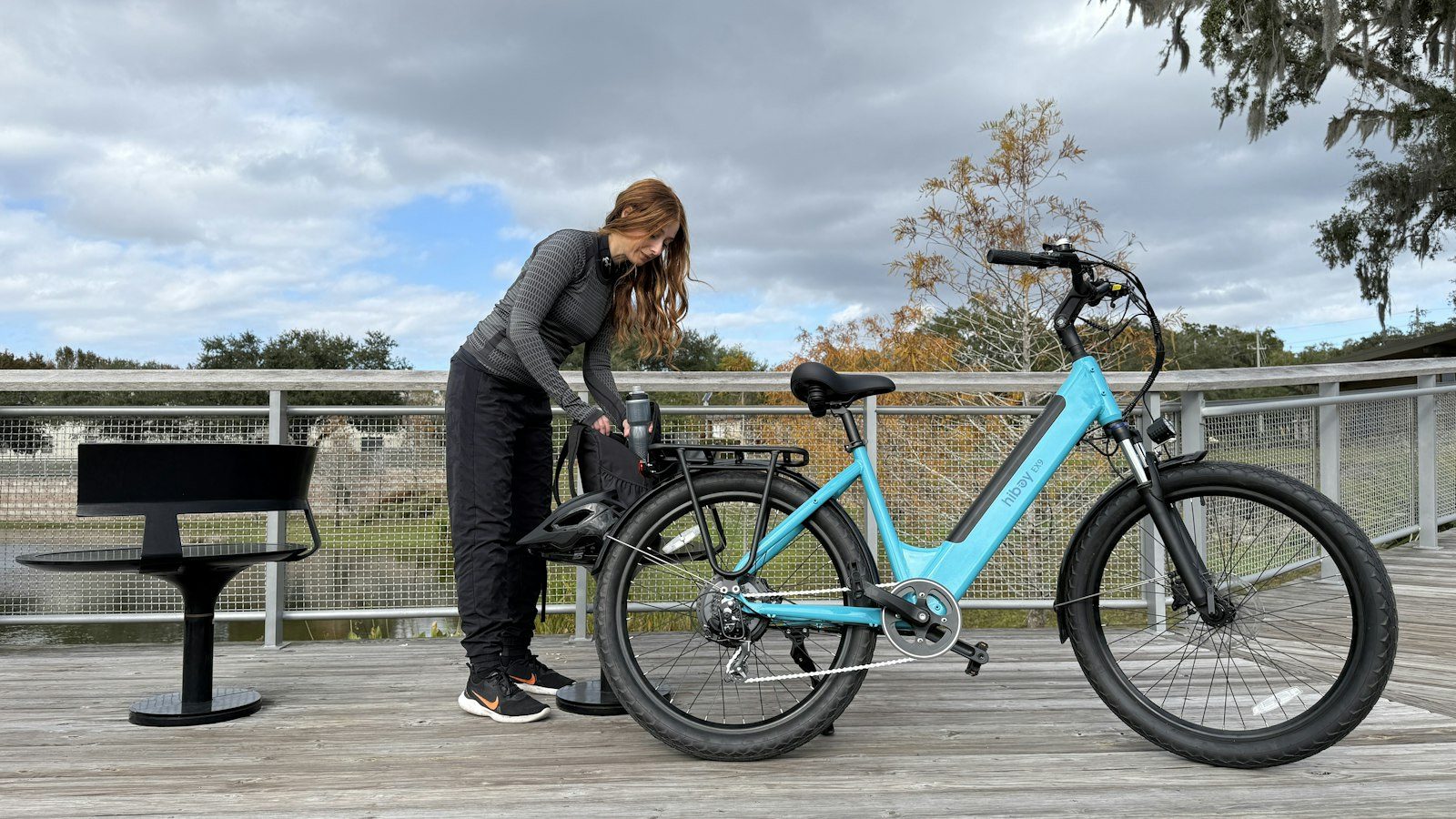
An e-bike battery charger looks simple: a box, a cable and a plug. But using the wrong one is one of the most common causes of battery damage and, in the worst cases, fires. This guide explains how to match a charger to an e-bike battery, written for distributors, repair shops and e-bike brands sourcing chargers in volume.
1. Match the charger voltage to the battery pack
E-bike batteries are named by their nominal voltage, but chargers are specified by their full-charge voltage. For standard lithium-ion cells at 4.2V per cell when full:
| Battery (nominal) | Cells in series | Charger output |
|---|---|---|
| 24V | 7S | 29.4V |
| 36V | 10S | 42V |
| 48V | 13S | 54.6V |
| 52V | 14S | 58.8V |
LiFePO4 batteries use a different charge voltage per cell, so they need a charger built for that chemistry. Never charge a LiFePO4 pack with a lithium-ion charger or the other way round.
2. Choose a sensible charging current
Higher current means faster charging but more heat and more stress on the cells. As a rule of thumb:
- 2A is a gentle, common choice for packs up to about 10Ah.
- 3A–4A suits larger packs or riders who need faster turnaround.
- 5A and above only if the battery and its BMS are rated for it.
Charging at around 0.5C or below (for example 5A for a 10Ah pack) is a common limit. Always follow the battery maker’s specification.
3. Identify the connector and polarity
E-bikes use a wide range of charging connectors. The most common are:
- DC barrel plugs, often 5.5×2.1mm or 5.5×2.5mm
- XLR 3-pin
- RCA
- GX16 or other circular aviation plugs
- Brand-specific connectors
Check polarity carefully. A charger with the right voltage but reversed polarity can destroy the BMS. When in doubt, send the factory a photo of the battery’s charging port with measurements.
4. Check the protection and safety features
- CC/CV charging: constant current, then constant voltage as the pack approaches full.
- Automatic cut-off when charging is complete.
- Protection against over-voltage, over-current, short circuit and reverse polarity.
- Temperature protection inside the charger.
- An LED indicator showing charging and full.
- Certification for your market, such as CE and RoHS in the EU.
5. Match the plug to the market
For European distributors, the charger needs an EU or UK plug, or an IEC inlet with a regional cord. Desktop chargers with an IEC C13 or C8 inlet let you stock one charger and swap the mains cord by country.
Why the charger matters for battery safety
Most lithium battery fires in e-bikes are linked to damaged cells, poor-quality packs or incorrect charging. A charger that overshoots the target voltage or fails to stop at full charge stresses the cells every time it is used. For brands and distributors, a reliable charger is a small cost compared to a recall.
How long will charging take?
A simple estimate is battery capacity divided by charger current, plus some extra time for the constant-voltage phase at the end:
| Battery | 2A charger | 3A charger | 4A charger |
|---|---|---|---|
| 10Ah | about 5.5 h | about 3.5–4 h | about 3 h |
| 14Ah | about 7.5 h | about 5 h | about 4 h |
| 17.5Ah | about 9 h | about 6.5 h | about 5 h |
These are rough figures from empty. Real times depend on the starting charge, temperature and the battery’s BMS.
Charging habits that extend battery life
- Charge at room temperature, not straight after a ride in the cold or heat.
- Do not leave a full battery on the charger for days.
- For storage, keep the battery around 40–60% and top it up every few months.
- Charge on a hard, non-flammable surface, away from exits, and not unattended overnight in a hallway.
- Stop using any charger or battery that is swollen, cracked, smells or gets unusually hot.
If you are a brand or distributor, printing these points in the charger manual is a simple way to reduce warranty claims.
What brands and distributors should specify
When ordering e-bike chargers in volume, give the factory:
- Battery chemistry, nominal voltage and number of cells in series
- Battery capacity and maximum allowed charge current
- Connector type, pin assignment and polarity, with a photo
- Required plug or inlet type for each market
- Cable lengths on both the AC and DC side
- Labelling, LED behaviour and packaging requirements
With that brief we can usually propose an existing platform and send samples within days.
E-bike chargers from our factory
We build e-bike chargers, e-scooter chargers and lithium battery chargers for 24V to 52V packs, with your connector, plug and label. Our e-mobility page lists standard outputs. If you also ship the batteries themselves, read our guide to shipping lithium batteries. Send your pack voltage, capacity and connector through the quote form and we will recommend a model.
Frequently asked questions
What charger voltage does a 36V e-bike battery need?
A 36V lithium-ion pack is normally 10 cells in series and needs a charger with a 42V output. A 48V pack (13 cells) needs 54.6V, and a 52V pack (14 cells) needs 58.8V.
Can I use a higher-amp charger to charge my e-bike faster?
Only if the battery and its BMS are rated for that current. A common guideline is to charge at no more than about 0.5C, for example 5A for a 10Ah pack, unless the battery maker allows more.
Is it safe to use a generic e-bike charger?
It can be, if the output voltage, chemistry, connector polarity and current all match the battery and the charger is certified. A wrong charger is one of the main causes of e-bike battery fires.