
EU USB-C Common Charger Rule for Laptops: What Importers Need to Know
Written by engineers at the Daxpoo factory, Shenzhen · · 4 min read
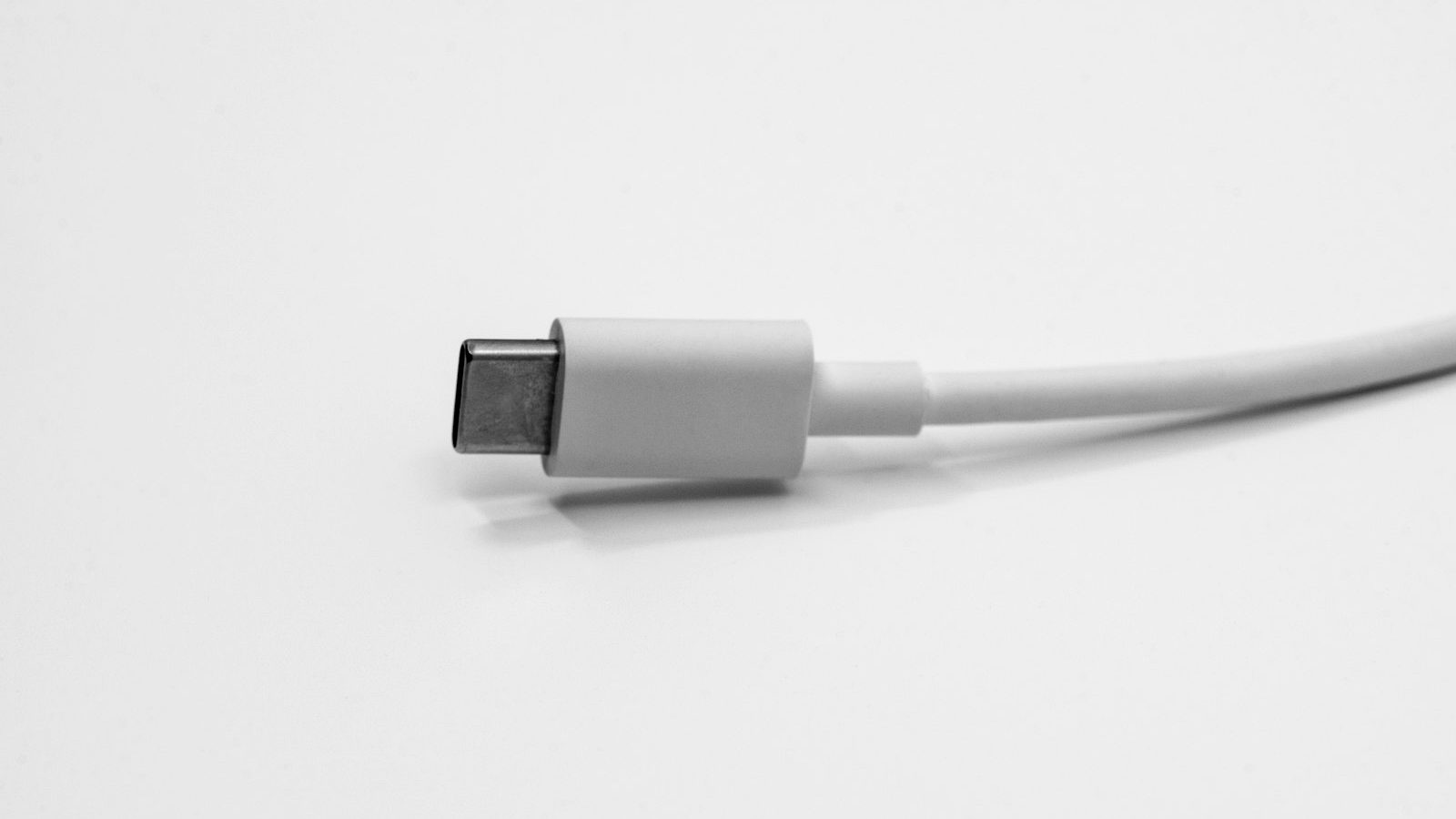
For laptop charger importers in Europe, 28 April 2026 was a turning point. From that date, the EU’s common charger rules extended from phones and small electronics to laptops. If you sell replacement or OEM laptop chargers in the EU, your product range and your sales mix will change over the next few years. This article explains what the rules say and what we see buyers doing in response.
What the common charger rules require
The rules come from Directive (EU) 2022/2380, which amended the Radio Equipment Directive. For devices in scope, they require:
- A USB Type-C receptacle for wired charging.
- Support for USB Power Delivery when the device supports fast charging above 15W.
- An option to buy the device without a charger in the box.
- A pictogram and label showing whether a charger is included and the device’s power requirements.
Phones, tablets, cameras, headphones and similar devices have been covered since 28 December 2024. Laptops followed on 28 April 2026.
What changes for laptop charger importers
1. Demand shifts from barrel plugs to USB-C
New laptops sold in the EU now charge over USB-C. Replacement demand for older barrel-plug models continues for years, because millions of those laptops are still in use. But growth will come from USB-C PD and GaN chargers.
2. Unbundling creates an aftermarket
Because buyers can now choose a laptop without a charger, more end users will buy chargers separately. That is an opportunity for distributors and retailers with a good USB-C range.
3. Power Delivery compliance matters
A USB-C charger that does not negotiate power correctly will charge slowly or not at all. Buyers increasingly ask for USB PD compliance evidence alongside the usual safety reports.
Which USB-C wattages to stock
| Output | Typical devices |
|---|---|
| 30W–45W | Phones, tablets, light ultrabooks |
| 65W | Most business and student laptops |
| 100W | 15–16 inch laptops, multi-device charging |
| 140W–240W | Performance laptops using USB PD 3.1 EPR |
USB PD 3.0 tops out at 100W (20V, 5A). USB PD 3.1 introduced the Extended Power Range with 28V, 36V and 48V levels, up to 240W.
What about barrel-plug replacement chargers?
The directive regulates devices placed on the market. It does not stop you selling replacement chargers for laptops that are already in use. We still produce a large range of brand-compatible barrel-plug chargers for HP, Dell, Lenovo, ASUS and other models, and that demand will continue for years. The smart move is to keep the fast-moving barrel models and shift new investment to USB-C.
What the unbundling rule means at the point of sale
Under the common charger rules, consumers must be able to buy a covered device without a charger. Sellers have to show a pictogram telling the buyer whether a charger is included, and a label stating the device’s power range and whether it supports USB Power Delivery fast charging.
For charger sellers, that label is useful: it tells the end user exactly what wattage to look for. Make sure your own product listings use the same language, for example “USB-C, USB PD, 65W”, so buyers can match them easily.
USB PD basics every buyer should know
- Negotiation: a USB PD charger and device agree on voltage and current before high power flows. Without PD, a USB-C port only supplies a basic 5V level.
- Standard Power Range (SPR): fixed voltages of 5V, 9V, 15V and 20V, up to 100W with a 5A cable.
- Extended Power Range (EPR): introduced with USB PD 3.1, adding 28V, 36V and 48V levels up to 240W.
- Cables matter: currents above 3A need an e-marked cable rated for 5A. A 100W charger with a 3A cable delivers 60W.
Common mistakes when moving to USB-C
- Selling chargers rated “100W” that only reach 100W on one port and much less when two devices are connected, without saying so.
- Shipping 100W chargers with 3A cables.
- Skipping interoperability testing on popular laptop models.
- Labelling that shows only “fast charging” without the PD wattage, which the EU rules now make the reference point for consumers.
The opportunity for repair and replacement
As USB-C becomes universal, a single charger can serve many brands. That simplifies stock for repair shops and retailers: instead of hundreds of brand-specific SKUs, a few well-chosen USB-C wattages cover most new laptops, while a curated barrel-plug range covers the installed base.
A practical plan for distributors
- Review your sales by connector type and identify the barrel models that still sell well.
- Add a core USB-C range: 65W and 100W single-port, plus a multi-port GaN model.
- Ask your factory for USB PD compliance results and the usual CE, RoHS and efficiency reports.
- Update packaging and listings to show wattage clearly, since end users now buy chargers separately.
For the efficiency side of compliance, see our guide to DoE Level VI and EU ecodesign rules. For a broader view of GaN technology, read GaN vs silicon chargers.
Need a USB-C range for the EU market? Send your target wattages and quantities via our quote form. We build USB-C PD and GaN chargers in our own Shenzhen factory, with your label and packaging.
Frequently asked questions
When did the EU USB-C rule start applying to laptops?
The common charger requirements, introduced by Directive (EU) 2022/2380, have applied to phones and other small devices since 28 December 2024 and to laptops since 28 April 2026.
Can I still sell barrel-plug replacement chargers in the EU?
The directive sets requirements for the devices, not a ban on replacement chargers for laptops already on the market. Demand for barrel-plug chargers will shrink over time as the installed base changes, so plan your range accordingly.
What wattage should a USB-C laptop charger support?
USB PD 3.0 supports up to 100W. USB PD 3.1 Extended Power Range raises this to 240W at 48V. For most business and student laptops, 65W to 100W covers the market.